


Are you considering venturing into the brick making business in South Africa? One crucial aspect to contemplate is pricing your bricks competitively while ensuring quality. Cement bricks are a staple in construction projects across the country, making it essential to comprehend the market dynamics and average prices. In this guide, we’ll delve into the current prices of cement bricks in South Africa, providing insights to help you set your prices effectively.
Average Price List from Well-Known Suppliers
As of April 20, 2024, here’s an overview of the average prices of commonly used cement bricks from reputable suppliers in South Africa:
- Maxi Bricks: Average price around R4.80 per brick.
- Cement Stock Bricks: Priced at approximately R2.20 per brick.
- M140 Blocks: Average cost of about R10.50 per block.
These prices serve as a foundational reference point for estimating the cost of your bricks. However, it’s crucial to note that prices may vary based on location and supplier. While larger, well-known suppliers tend to offer standardized prices, smaller businesses might provide slightly lower rates. Nonetheless, cheaper prices don’t always equate to superior quality, emphasizing the importance of researching suppliers thoroughly.
Factors Affecting Brick Prices
Several factors influence the pricing of cement bricks in South Africa, including:
- Raw Material Costs: Fluctuations in the prices of raw materials, such as cement and sand, can impact brick prices significantly. Keep an eye on market trends to adjust your pricing strategy accordingly.
- Production Costs: Your production process, including labor, energy, and equipment expenses, plays a crucial role in determining the final price of your bricks. Efficient production practices can help optimize costs and enhance competitiveness.
- Market Demand: Supply and demand dynamics within the construction industry influence brick prices. Monitor market trends and anticipate changes in demand to adjust your pricing strategy accordingly.
- Quality Standards: Customers prioritize quality when purchasing construction materials. Ensuring that your bricks meet industry standards and offer superior durability can justify premium pricing.
Setting Competitive Prices
When pricing your bricks, consider the following guidelines to remain competitive in the market:
- Research Local Prices: Conduct thorough market research to understand the pricing landscape in your area. Analyze the prices offered by competitors and identify opportunities to offer value-added services or products.
- Factor in Costs: Calculate your production costs, including material, labor, and overhead expenses, to determine a profitable yet competitive price point for your bricks.
- Quality Assurance: Emphasize the quality of your bricks to justify higher prices. Invest in quality control measures to ensure consistency and reliability in your products.
- Customer Preferences: Understand your target market’s preferences and purchasing behavior to tailor your pricing strategy accordingly. Consider offering discounts for bulk orders or special promotions to attract customers.
Conclusion
Pricing your cement bricks in South Africa requires a careful balance between competitiveness and profitability. While referencing average price lists from well-known suppliers provides a useful starting point, it’s essential to conduct thorough research and consider various factors influencing pricing in your specific area. By prioritizing quality, efficiency, and customer satisfaction, you can establish a successful brick making business poised for growth in the dynamic South African construction industry.
Also check this out :
How Many 6-Inch Blocks Can You Make with 1 Bag of Cement and 4 Wheelbarrows of River Sand?
How Many Stock Bricks Can You Make with 1 Bag of Cement and 4 Wheelbarrows of River Sand?
How Many M140 Blocks Can You Make with 1 Bag of Cement and 4 Wheelbarrows of River Sand?
How Many Maxi Bricks Can You Make with 1 Bag of Cement and 4 Wheelbarrows of River Sand?
Understanding Cement Brick Prices in South Africa: A Guide for Brick Making Entrepreneurs
Building Your Brick Making Business: A Guide to Expansion
The Pros and Cons of Building Your Dream Home with Cement Hollow Block Bricks
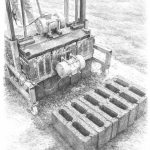 Brick Making machines / moulds
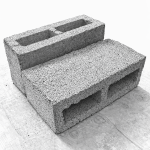 Hollow Block brick machines
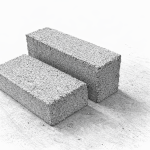 maxi brick machines
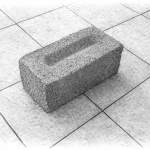 V Block brick machines
 Paving Brick machines
 retaining block brick machines
 Precast Moulds
 Mixers
 Vibrating table
 Flowbins / IBC Tanks